
Manufacturing facilities generate significant amounts of waste every day, from cardboard and plastic packaging to production debris and general industrial refuse. Without an efficient waste management system, this material can quickly occupy valuable space, increase collection frequency, and create unnecessary operational costs.
For Portland manufacturers, choosing the right Industrial Waste Compactors Portland solution can help businesses manage high waste volumes more efficiently. Industrial compactors reduce the physical volume of suitable waste, allowing facilities to store more material between collections while keeping waste handling areas cleaner and more organized.
But which type of industrial waste compactor is best for a manufacturing facility?
The answer depends on several factors, including the type of waste generated, daily waste volume, available space, collection requirements, and the facility’s operating environment. CARE provides a range of waste and recycling equipment designed to help businesses find a solution that fits their specific needs.
Why Manufacturing Facilities Need Industrial Waste Compactors
Manufacturing operations can generate large quantities of waste throughout the production process. Standard dumpsters may fill quickly when waste is left loose, resulting in frequent pickups and inefficient use of storage space.
An industrial waste compactor compresses appropriate waste materials into a smaller volume. This allows manufacturers to make better use of their waste containers and potentially reduce the number of waste collections required.
Some of the major benefits of using industrial waste compactors include:
- Reduced waste volume
- More efficient use of dumpster and container space
- Potentially fewer waste collection trips
- Improved workplace organization
- Better waste-handling efficiency
- Reduced storage requirements
- Support for broader recycling and sustainability programs
For businesses researching Industrial Waste Compactors Portland, selecting equipment based on the facility’s actual waste stream is essential.
What Is the Best Industrial Waste Compactor for a Portland Manufacturing Facility?
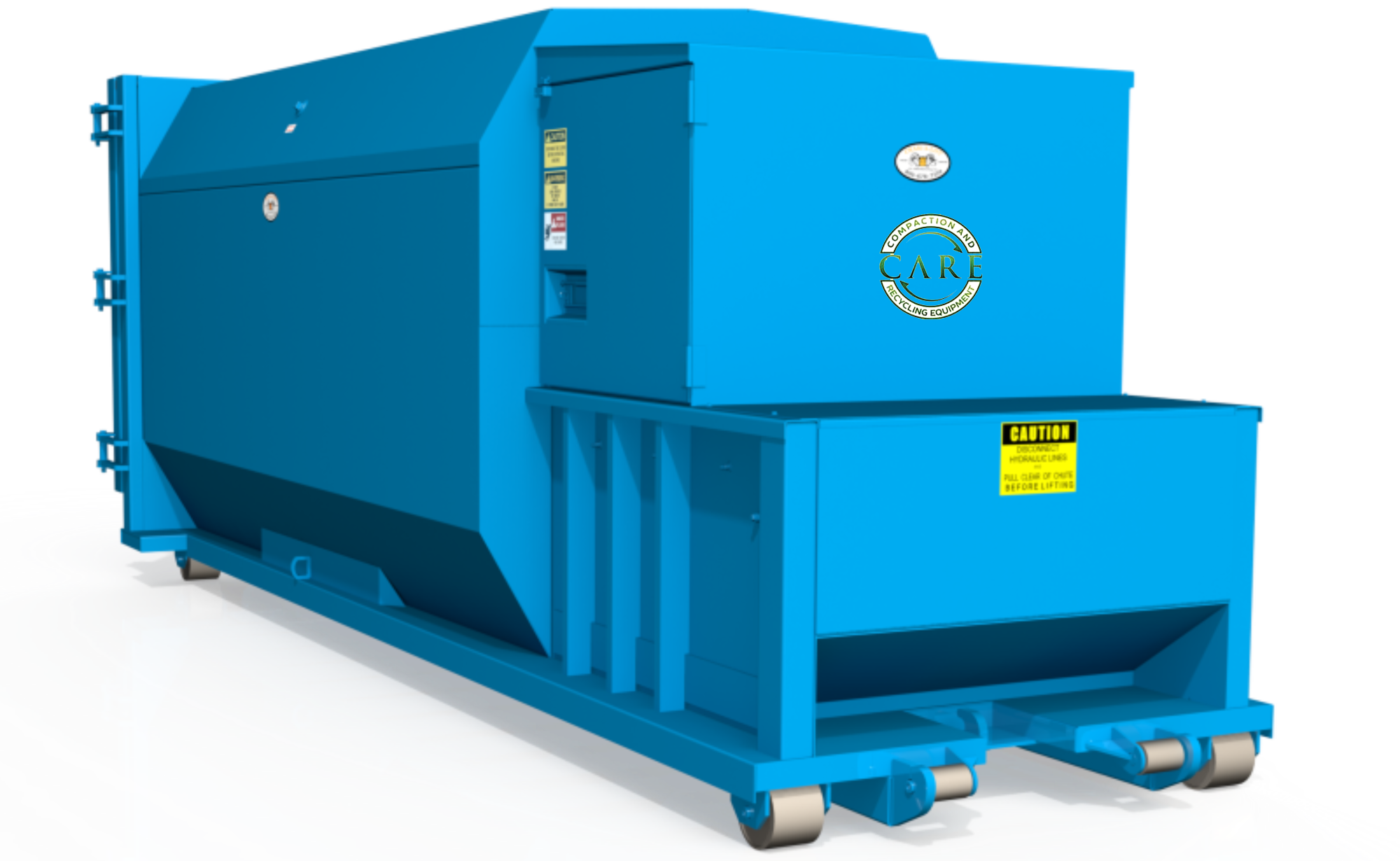
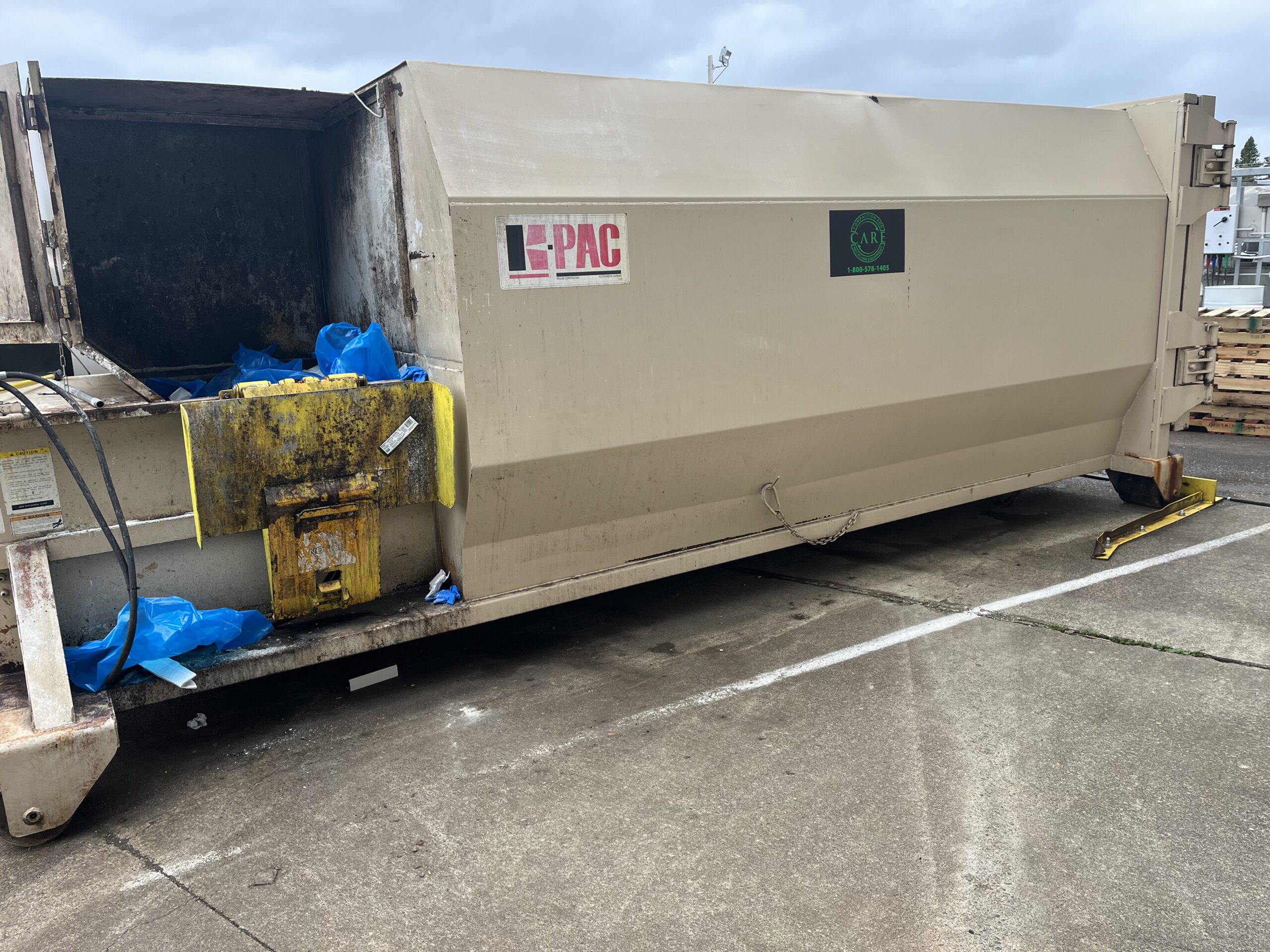
There is no universal answer because every manufacturing facility has different waste management requirements. However, stationary compactors are often an effective option for manufacturing facilities that generate high volumes of dry, non-hazardous waste.
A stationary compactor remains installed at a designated location while the waste container is positioned to receive compacted material. This setup can work particularly well for factories, warehouses, distribution facilities, and other industrial properties where waste is generated consistently.
For facilities producing cardboard, packaging materials, paper, plastics, and general dry waste, stationary compactors can provide an efficient approach to waste volume reduction.
However, facilities handling wet or moisture-heavy materials may require a different type of compactor.
Stationary Industrial Waste Compactors
Stationary compactors are designed for high-volume waste applications and are commonly considered when businesses need a permanent waste-handling solution.
They can be suitable for manufacturing facilities generating:
- Cardboard and packaging waste
- Paper products
- Plastic packaging
- General industrial refuse
- Non-hazardous production waste
- High-volume dry commercial waste
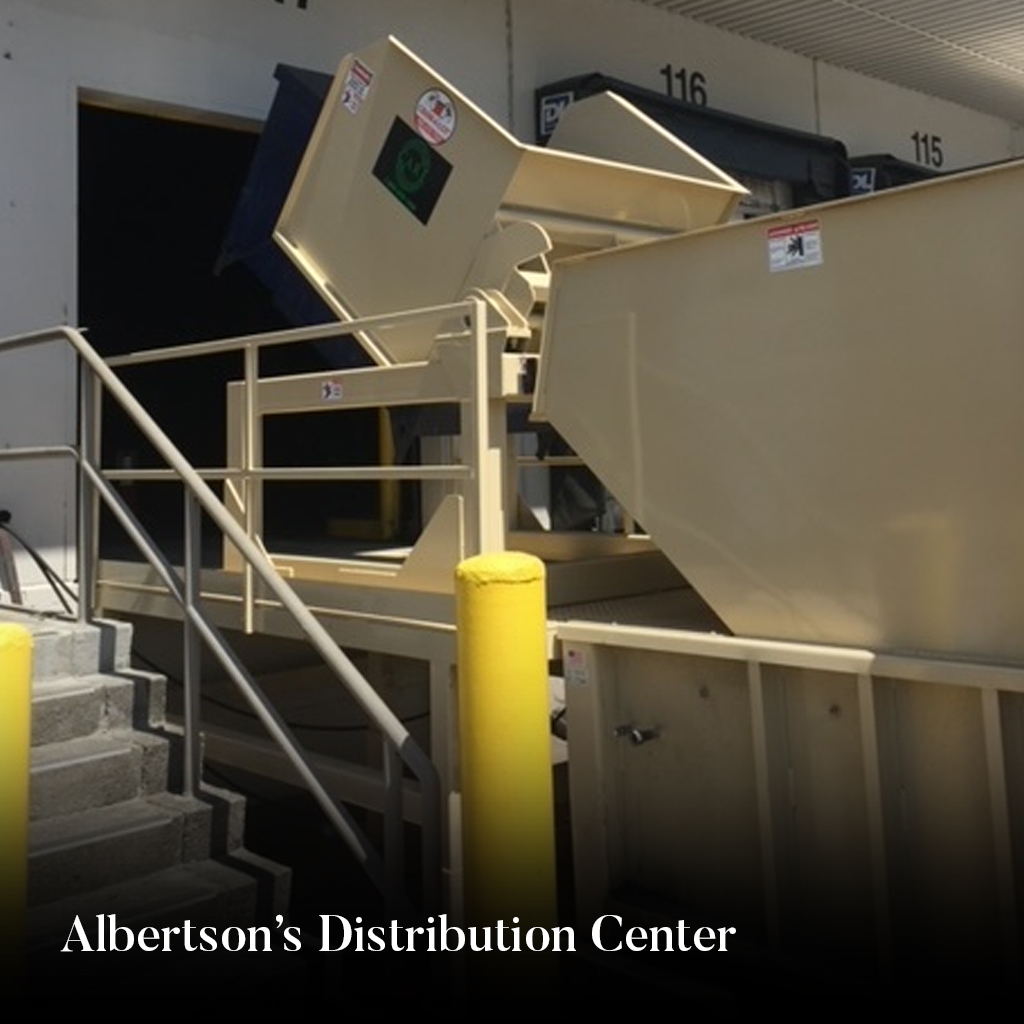
One of the main advantages of a stationary compactor is its ability to integrate into an existing waste collection area. Instead of allowing loose waste to accumulate in multiple containers, the facility can direct appropriate waste into one centralized compaction system.
This can make waste handling more organized and efficient.
Self-Contained Compactors for Wet Waste
Not every manufacturing operation produces dry waste.
Facilities that handle wet materials, food-related waste, liquids, or moisture-containing refuse may need a self-contained compactor.
Unlike a traditional stationary system, a self-contained compactor integrates the compactor and container into a single unit. This configuration can help contain moisture and reduce the risk of leakage around the waste storage area.
For businesses looking for waste compactors in Portland, understanding the difference between stationary and self-contained equipment is important before making an investment.
A professional equipment assessment can help determine which configuration is appropriate for the facility.
Compact Waste Solutions for Facilities With Limited Space
Space can be another major consideration when selecting an industrial waste compactor in Portland.
Some manufacturing facilities have large outdoor waste areas, while others operate in compact industrial buildings where available floor space is limited.
In these situations, businesses may need to consider smaller or specialized compaction solutions. The appropriate choice depends on:
- Available installation space
- Waste generation volume
- Loading method
- Container size
- Collection vehicle access
- Facility layout
- Operational requirements
The objective should be to select a compactor that provides sufficient capacity without creating unnecessary space or access problems.
How to Choose Industrial Waste Compactors in Portland
Choosing the right Industrial Waste Compactors Portland solution requires more than comparing equipment sizes. Manufacturers should evaluate how the equipment will work within their complete waste management process.
1. Identify Your Waste Stream
Start by identifying the materials your facility generates.
Is the majority of your waste cardboard? Plastic? Packaging? General refuse? Production debris?
Understanding the waste stream helps determine whether a stationary compactor, self-contained compactor, baler, or another recycling solution is more appropriate.
2. Calculate Your Waste Volume
Daily and weekly waste volume should be considered before selecting equipment.
A facility operating multiple shifts may require substantially greater compaction capacity than a smaller manufacturing operation.
If the equipment is undersized, it may require frequent servicing or container changes. On the other hand, choosing equipment that is significantly larger than necessary may increase costs without providing meaningful benefits.
3. Consider Your Facility Layout
The location of the compactor is extremely important.
Manufacturers should consider:
- Equipment footprint
- Truck access
- Container positioning
- Loading areas
- Electrical requirements
- Employee access
- Maintenance access
A proper site evaluation can help prevent installation problems and ensure the equipment fits naturally into the facility’s workflow.
4. Review Your Collection Schedule
Waste collection frequency should also influence your decision.
An appropriately sized industrial compactor can allow more waste to be stored in a smaller physical volume. Depending on the facility’s waste volume and hauling arrangement, this may reduce the frequency of collection.
Manufacturers should evaluate their current pickup schedule and determine whether compaction could improve overall waste-handling efficiency.
5. Think About Long-Term Maintenance
Equipment reliability matters in a busy manufacturing environment.
Unexpected equipment downtime can interfere with waste handling and create additional operational challenges. That’s why maintenance and service support should be considered alongside the equipment itself.
Why Choose CARE for Industrial Waste Compactors in Portland?
CARE, or Compaction And Recycling Equipment, has been serving businesses throughout the Pacific Northwest since 1977.
The company provides waste and recycling equipment along with services designed to support businesses throughout the equipment lifecycle. Its offerings include compactors, balers, recycling equipment, installation, training, preventive maintenance, and equipment repair.
For manufacturers evaluating Industrial Waste Compactors Portland, this combination of equipment and service can be particularly valuable.
CARE can help businesses evaluate their requirements and determine which equipment configuration is appropriate for their waste management operation.
Installation and Training
Installing the right equipment is only the beginning.
CARE provides installation and training services to help businesses understand equipment operation, safe loading procedures, troubleshooting, and routine maintenance.
Proper employee training can help facilities operate equipment safely and efficiently.
Preventive Maintenance
Regular preventive maintenance can help identify potential equipment problems before they become expensive breakdowns.
CARE offers scheduled maintenance services that can include inspections, cleaning, and performance checks.
For manufacturing facilities that depend on consistent waste handling, proactive maintenance can help extend equipment reliability and reduce unexpected interruptions.
24/7 Equipment Repair
When equipment problems occur, timely service is important.
CARE provides 24/7 onsite equipment repair services for waste and recycling equipment, helping businesses address equipment issues when they arise.
This ongoing support can be an important consideration when comparing industrial waste compactors in Portland.
Can Industrial Waste Compactors Reduce Waste Management Costs?
One of the biggest reasons businesses consider industrial compactors is the potential to improve waste collection efficiency.
By reducing waste volume, a compactor can allow a facility to place more material into each container. Depending on waste volume, collection frequency, hauling rates, and equipment capacity, this may help reduce the number of pickups required.
However, cost savings vary from one facility to another. Manufacturers should evaluate their existing waste volumes, collection expenses, equipment requirements, and expected operational improvements before determining the potential return on investment.
Industrial Waste Compactors and Sustainable Manufacturing
Efficient waste management is increasingly important for modern manufacturing facilities.
Compaction can help reduce the physical volume of waste, while recycling equipment can help businesses recover materials that might otherwise be sent for disposal.
A comprehensive waste management program can combine industrial compactors, recycling equipment, balers, and appropriate material separation to improve resource efficiency.
For Portland businesses focused on improving their environmental practices, the right equipment can become an important part of a broader waste reduction strategy.
Final Thoughts on Industrial Waste Compactors Portland
For many Portland manufacturing facilities producing high volumes of dry, non-hazardous waste, a stationary industrial waste compactor can be an effective solution. Facilities dealing with wet or moisture-heavy materials may benefit more from a self-contained compactor, while operations with limited space may require a smaller or specialized solution.
The best equipment ultimately depends on your waste stream, waste volume, facility layout, collection requirements, and long-term goals.
If you are searching for Industrial Waste Compactors Portland, CARE can help you evaluate your facility’s requirements and identify an appropriate waste management solution. With decades of experience serving the Pacific Northwest and services ranging from equipment installation and training to preventive maintenance and 24/7 repair, CARE offers support beyond the initial equipment purchase.
Ready to improve your manufacturing facility’s waste management process? Contact CARE today to discuss your waste volume, facility requirements, and equipment options, and find the right industrial waste compactor for your Portland operation.