
Food waste is a major operational challenge for restaurants, hotels, hospitals, schools, cafeterias, and other commercial facilities. Traditional disposal methods often involve storing organic waste, arranging frequent pickups, and paying transportation and disposal fees. For businesses looking for a cleaner and more efficient alternative, an aerobic biodigester can provide an on-site solution.
But how quickly does an aerobic biodigester actually process food waste?
In most cases, a modern aerobic biodigester can process food waste continuously, with the Power Knot LFC biodigester offered by CARE designed to digest food waste within approximately 24 hours and convert it into safe grey water. The system operates continuously rather than requiring businesses to wait for a traditional collection cycle.
For organizations considering an Aerobic Biodigester in Portland, understanding the processing time, operating process, and factors that affect performance can help determine whether this technology is right for their facility.
What Is an Aerobic Biodigester?
An aerobic biodigester is an on-site organic waste management system that uses microorganisms and oxygen to break down food waste. Unlike traditional waste disposal, where food scraps are transported away from the property, an aerobic biodigester processes organic waste where it is generated.
CARE provides the Power Knot LFC Biodigester, a fully enclosed aerobic system designed for continuous operation. According to CARE, the system can reduce food waste volume by up to 90% while converting organic material into safe grey water through the digestion process.
The system is designed for commercial and industrial applications and can be used by businesses that generate significant amounts of food waste.
How Long Does an Aerobic Biodigester Take to Process Food Waste?
The short answer is around 24 hours for complete digestion, depending on the system, waste characteristics, loading practices, and operating conditions.
One important point is that an aerobic biodigester does not necessarily require a full 24-hour waiting period before additional food waste can be added. Systems such as the Power Knot LFC are designed to operate continuously, allowing businesses to add food waste as it is generated.
The process generally works as follows:
- Food waste is loaded into the biodigester.
- Microorganisms begin breaking down the organic material.
- Oxygen supports the aerobic digestion process.
- The food waste is progressively decomposed.
- The remaining material is converted into grey water.
- The system continues processing new waste around the clock.
This continuous operation makes an Aerobic Biodigester in Portland particularly useful for commercial kitchens and facilities with food waste generated throughout the day.
Why Does Processing Time Matter?
Processing speed directly affects how businesses manage their waste storage and collection requirements.
A slow waste-processing system may require large storage areas or frequent handling. In contrast, an aerobic biodigester can process food waste on-site as part of a facility’s daily operations.
For businesses, faster processing can mean:
- Less organic waste stored on-site
- Fewer waste collection requirements
- Reduced waste volume
- Cleaner waste-handling areas
- Lower dependence on landfill disposal
- More efficient kitchen operations
CARE’s Power Knot LFC biodigester is designed to operate 24/7, allowing businesses to continuously process food waste instead of waiting for scheduled waste pickups.
What Factors Affect Biodigester Processing Time?
Although approximately 24 hours is a useful benchmark for the Power Knot LFC system, actual performance can vary depending on several factors.
1. Type of Food Waste
Food waste is not uniform. Vegetables, fruit, meat, prepared food, and other organic materials can have different compositions and moisture levels.
The mixture of materials being processed can influence how quickly microorganisms break them down.
2. Quantity of Waste
Every biodigester has a specific processing capacity. Selecting a machine that matches the facility’s daily food waste generation is essential.
A restaurant producing a relatively small amount of food waste may require a different model from a large hotel, hospital, or institutional kitchen.
3. Loading Practices
Consistent loading helps maintain efficient operation. Overloading a system beyond its recommended capacity can negatively affect performance.
This is why businesses should work with an experienced waste equipment provider when selecting and installing an aerobic biodigester.
4. Operating Conditions
Aerobic digestion depends on microorganisms and oxygen. Proper system operation helps maintain the conditions required for effective digestion.
Modern biodigesters are designed to automate much of this process, reducing the amount of manual intervention required from staff.
How Much Food Waste Can an Aerobic Biodigester Reduce?
Processing time is only one advantage of biodigestion. The reduction in waste volume can also have a significant impact on business operations.
CARE states that the Power Knot LFC Biodigester can reduce food waste volume by up to 90%. This can significantly reduce the amount of organic material that needs to be transported away from a facility.
For a busy commercial kitchen, this can translate into less waste storage, fewer pickups, and reduced pressure on waste-handling areas.
Benefits of an Aerobic Biodigester in Portland
Portland businesses increasingly need waste management solutions that balance operational efficiency with sustainability.
An Aerobic Biodigester in Portland can provide several advantages.
Reduced Waste Hauling
When food waste is processed on-site, businesses can reduce their reliance on conventional organic waste transportation and disposal.
Lower Waste Volume
Processing can dramatically reduce the volume of food waste requiring external disposal, helping businesses make better use of available space.
Cleaner Facilities
Food waste can produce unpleasant odors and attract pests when it remains stored for extended periods. On-site processing can help businesses manage organic waste more efficiently.
Continuous Operation
The Power Knot LFC system is designed to operate continuously. This is especially valuable for facilities where food waste is produced throughout the day.
Environmental Benefits
Reducing the transportation and landfill dependency associated with food waste can support broader sustainability objectives.
Who Can Benefit From an Aerobic Biodigester?
An aerobic biodigester can be particularly useful for businesses and institutions that generate substantial amounts of organic waste.
Potential applications include:
- Restaurants and commercial kitchens
- Hotels and resorts
- Hospitals and healthcare facilities
- Universities and schools
- Corporate cafeterias
- Food service operations
- Large commercial facilities
For these organizations, processing food waste at the source can make waste management more convenient and operationally efficient.
Why Choose CARE for Biodigester Solutions?
Choosing the right equipment is only part of implementing an effective food waste management system. Installation, training, maintenance, and ongoing support also matter.
CARE, or Compaction And Recycling Equipment, has been serving the Pacific Northwest since 1977 and provides waste management equipment and services for commercial and industrial customers.
The company offers the Power Knot LFC Biodigester along with professional installation, training, maintenance, and waste equipment support. The LFC system includes features such as stainless-steel construction, touchscreen controls, remote diagnostics, and cloud-based monitoring.
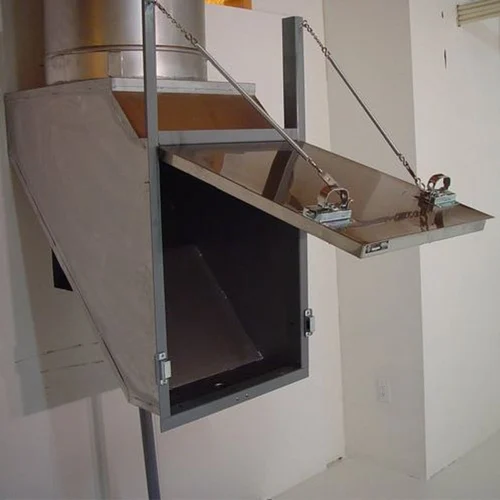
CARE also provides broader waste management services, including equipment installation, repairs, preventive maintenance, compactors, balers, recycling systems, and chute services.
This combination allows businesses to work with one experienced provider for their waste equipment needs.
Is an Aerobic Biodigester Right for Your Business?
If your business produces food waste every day and spends significant time or money managing organic waste, an aerobic biodigester may be worth considering.
The right solution depends on factors such as:
- Daily food waste volume
- Available installation space
- Type of food waste generated
- Facility operating hours
- Existing waste collection costs
- Desired sustainability goals
A professional assessment can help determine the appropriate biodigester capacity for your facility.
Make Food Waste Management Faster and Smarter
So, how long does it take an aerobic biodigester to process food waste? With the Power Knot LFC Biodigester available through CARE, food waste can be digested within approximately 24 hours, while the system operates continuously to handle new waste as it is generated.
For Portland businesses, this can provide a practical alternative to storing organic waste and relying entirely on traditional hauling and disposal.
If you’re exploring an Aerobic Biodigester in Portland, CARE can help you evaluate your facility’s requirements, choose an appropriate system, and support installation and ongoing maintenance.
Ready to improve the way your business handles food waste? Contact CARE today to learn more about Power Knot biodigester solutions and discover a smarter, cleaner approach to commercial waste management.