
Managing medical waste efficiently is not just a regulatory requirement—it’s a critical part of maintaining hygiene, safety, and operational efficiency in healthcare facilities. Hospitals in Portland generate a significant volume of waste daily, ranging from general trash to sensitive biomedical materials. Choosing the right waste compactors for hospitals Portland can streamline waste management, reduce costs, and ensure compliance with local regulations.
In this comprehensive guide, we’ll help you understand how to choose the best waste compactors, what features to look for, and why partnering with a trusted provider like CARE is essential.
Why Hospitals Need Waste Compactors
Hospitals produce large quantities of waste every day. Without proper handling, this waste can lead to contamination, safety hazards, and increased disposal costs.
Waste compactors help hospitals:
- Reduce waste volume by up to 80%
- Improve sanitation and infection control
- Minimize hauling frequency and costs
- Ensure compliance with environmental regulations
- Enhance operational efficiency
For healthcare facilities in Portland, investing in the right waste compactor is not optional—it’s a necessity.
Types of Waste Compactors for Hospitals
When selecting waste compactors for hospitals Portland, understanding the different types available is crucial.
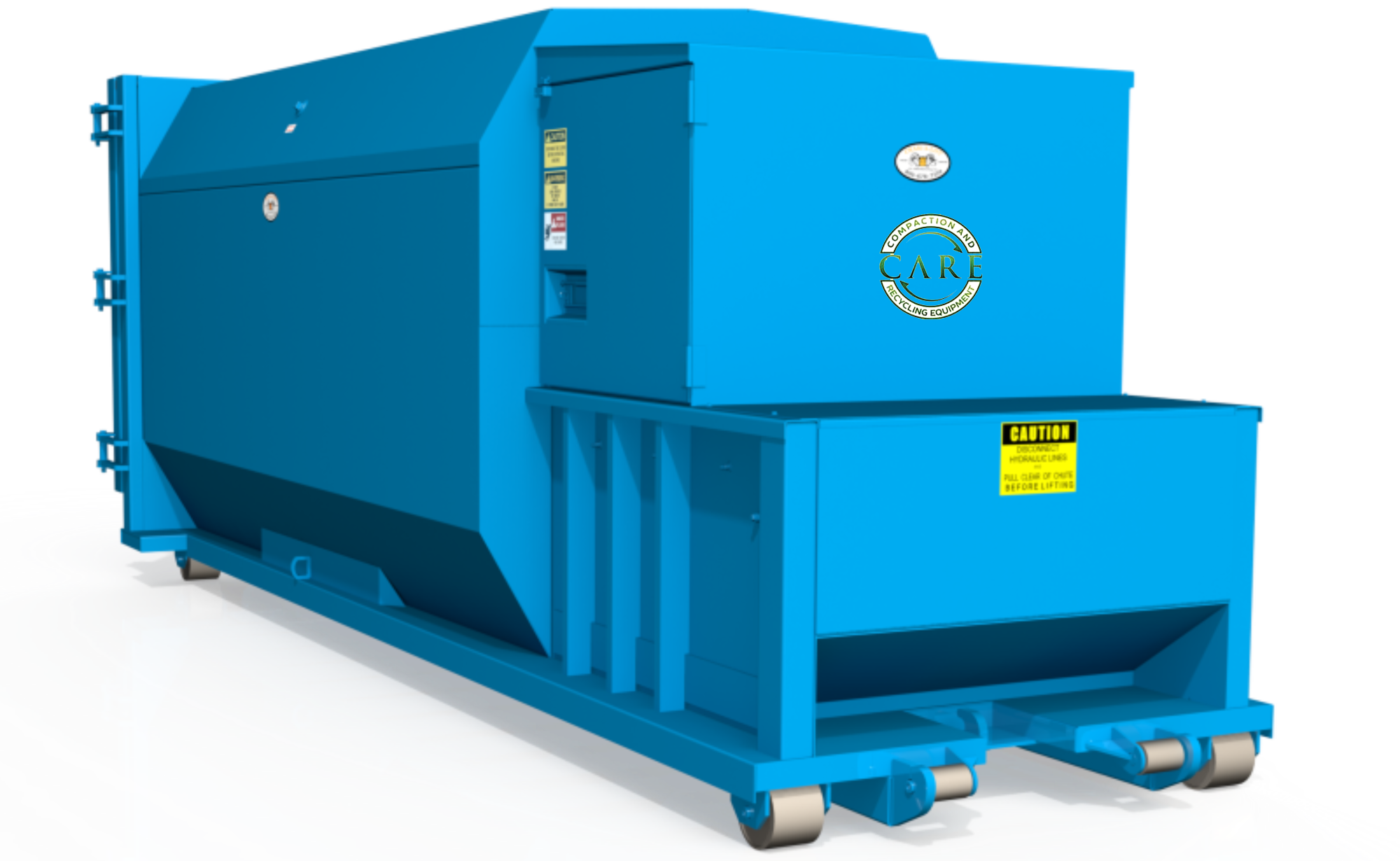
1. Stationary Compactors
These are ideal for hospitals generating large volumes of waste. They are installed in a fixed location and are perfect for:
- General waste
- Dry waste materials
- Continuous high-volume disposal
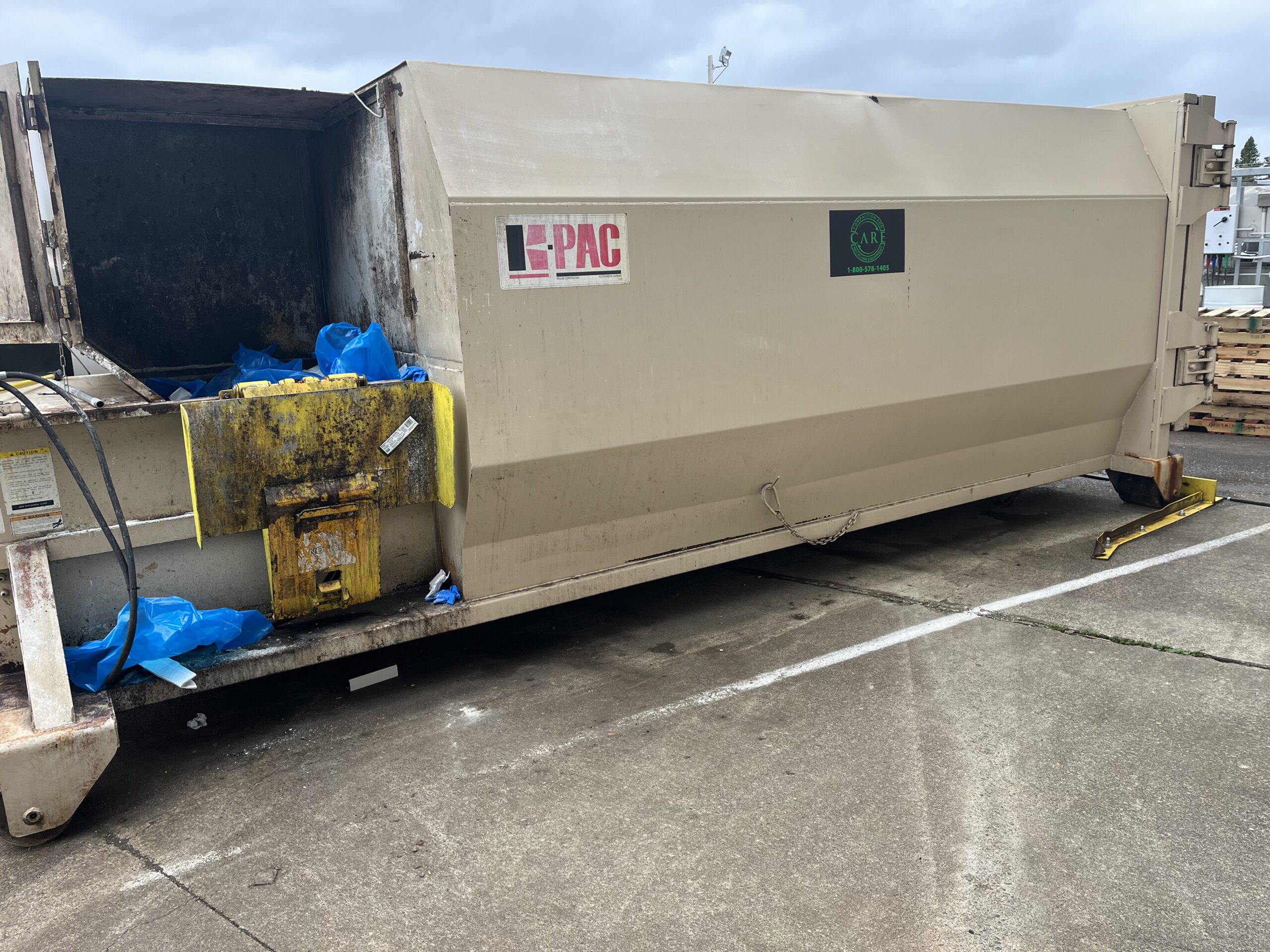
2. Self-Contained Compactors
Best suited for handling wet waste such as food or medical waste. These compactors are leak-proof and help maintain hygiene.
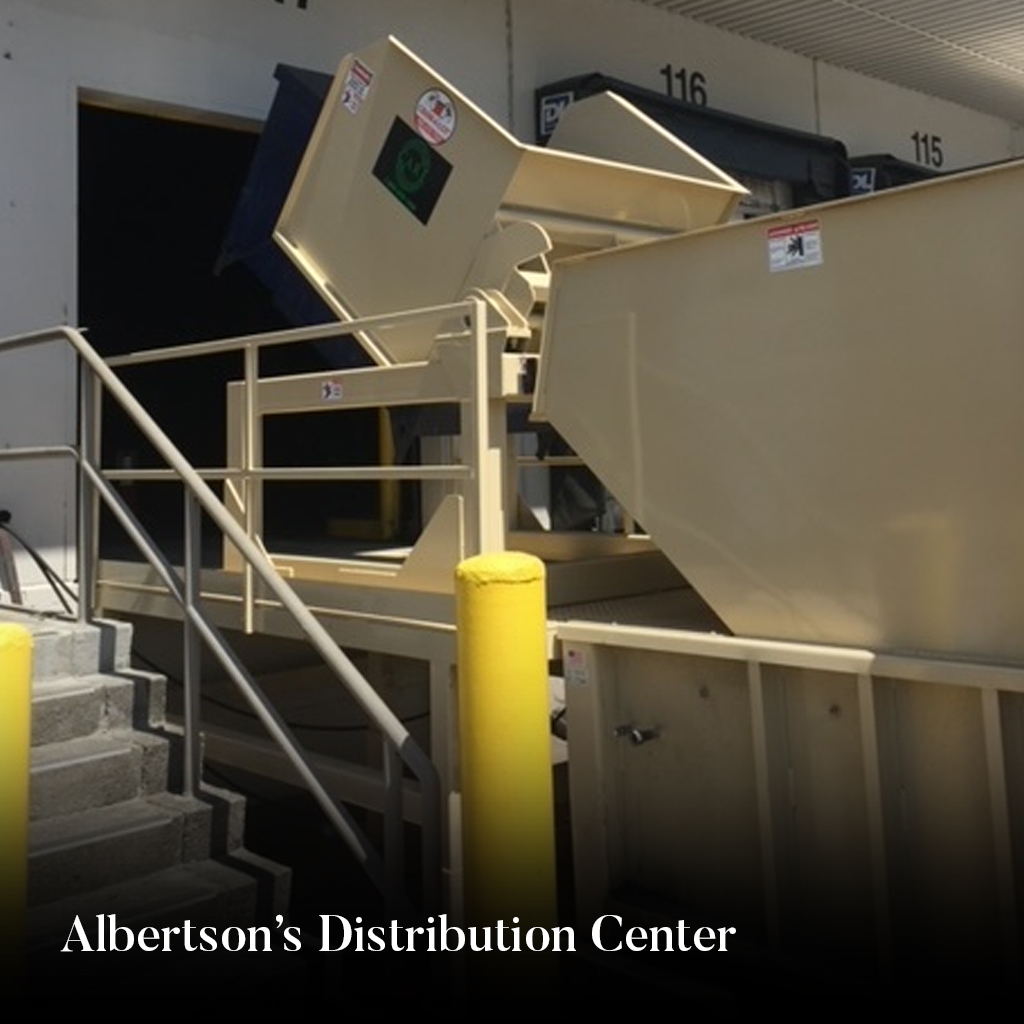
3. Vertical Compactors
These are space-saving solutions, ideal for smaller healthcare facilities or clinics with limited space.
4. Specialty Compactors
Designed specifically for medical or hazardous waste, these compactors ensure compliance with strict healthcare regulations.
Key Factors to Consider When Choosing a Waste Compactor
Selecting the right compactor involves more than just picking a model. Here are the key factors to evaluate:
Waste Volume and Type
Assess the type and quantity of waste your hospital generates daily. This helps determine the size and type of compactor required.
Space Availability
Hospitals often have limited space. Choose a compactor that fits seamlessly into your facility layout without disrupting operations.
Compliance and Safety
Ensure the equipment meets local Portland regulations and healthcare safety standards.
Durability and Build Quality
Look for robust machines designed to handle continuous usage in demanding environments.
Ease of Maintenance
Regular maintenance is essential. Choose equipment that is easy to service and supported by a reliable provider.
Customization Options
Every hospital has unique needs. Opt for solutions that can be customized accordingly.
Why Choose CARE for Waste Compactors
CARE, backed by the expertise and solutions available through waste-equipment.com, offers industry-leading waste management equipment tailored for healthcare facilities.
Here’s what sets CARE apart:
- Comprehensive Product Range: From stationary to self-contained compactors, CARE provides a wide selection to meet diverse needs.
- Customized Solutions: Equipment is tailored based on hospital size, waste type, and operational requirements.
- Expert Consultation: Their team helps assess your facility and recommend the best solution.
- Reliable Support & Service: Ongoing maintenance and support ensure smooth operations.
- Proven Industry Experience: Trusted by businesses across industries for efficient waste management solutions.
Benefits of Partnering with a Professional Waste Equipment Provider
Choosing a professional provider like CARE ensures you get more than just equipment—you get a complete waste management solution.
Cost Efficiency
Reduce operational costs with optimized waste handling and fewer pickups.
Improved Hygiene
Maintain a cleaner and safer environment for patients and staff.
Regulatory Compliance
Stay compliant with Portland’s environmental and healthcare waste regulations.
Long-Term Reliability
High-quality equipment ensures durability and consistent performance.
Installation and Maintenance Tips
Proper installation and maintenance are key to maximizing the lifespan and efficiency of your waste compactor.
- Install compactors in easily accessible areas
- Train staff on proper usage and safety protocols
- Schedule regular inspections and servicing
- Avoid overloading the equipment
- Monitor performance and address issues promptly
Future of Waste Management in Hospitals
With increasing emphasis on sustainability and efficiency, hospitals are adopting advanced waste management solutions. Modern compactors are now equipped with smart technology, enabling:
- Real-time monitoring
- Automated alerts
- Data-driven waste management strategies
Hospitals in Portland can stay ahead by investing in innovative compactor solutions that align with future needs.
Conclusion
Choosing the right waste compactors for hospitals Portland is a crucial decision that impacts safety, efficiency, and cost management. By understanding your facility’s needs and partnering with a trusted provider like CARE, you can implement a waste management system that delivers long-term value.
Don’t compromise on quality when it comes to healthcare waste management. The right equipment can make all the difference in maintaining a safe and efficient hospital environment.