
Food waste is one of the biggest operational challenges facing restaurants today. From vegetable peels and leftover ingredients to spoiled produce and uneaten meals, commercial kitchens generate substantial amounts of organic waste every day. Managing this waste can increase disposal expenses, create unpleasant odors, attract pests, and negatively impact the environment. For restaurants in Portland, finding a more efficient and sustainable waste management solution is becoming increasingly important.
One innovative solution gaining attention is an Aerobic Biodigester in Portland. This advanced technology allows restaurants to process organic food waste directly at their facilities instead of depending entirely on traditional waste collection and disposal methods. By using natural microorganisms and oxygen, an aerobic biodigester breaks down food waste and converts it into grey water, significantly reducing the volume of waste that needs to be handled.
CARE (Compaction And Recycling Equipment, Inc.) offers innovative food waste management solutions through its partnership with Power Knot, helping restaurants and commercial facilities adopt smarter and more environmentally responsible practices.
Understanding How an Aerobic Biodigester Works
An aerobic biodigester is an advanced food waste processing system that uses naturally occurring microorganisms and oxygen to break down organic materials. Unlike conventional disposal methods, which require food waste to be collected, stored, and transported elsewhere, this technology processes waste directly at the source.
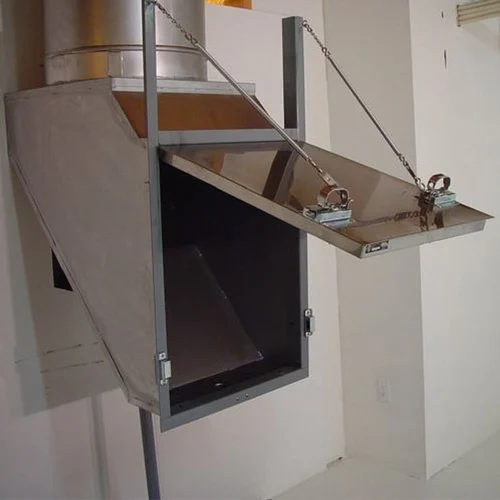
The Power Knot LFC Biodigester, offered by CARE, is designed to simplify food waste management for commercial kitchens.
The process generally involves three steps:
- Loading Food Waste: Restaurant employees place suitable organic waste, including vegetable scraps, fruit peels, meat, and leftovers, into the biodigester.
- Natural Aerobic Digestion: The machine uses oxygen and microorganisms to break down organic materials through a controlled biological process.
- Waste Conversion: The food waste is converted into grey water, which can be discharged through an approved drainage system, subject to applicable local plumbing and wastewater requirements.
The system operates continuously, helping restaurants manage food waste without repeatedly storing large quantities of organic scraps.
Why Restaurants in Portland Should Consider an Aerobic Biodigester
Portland has a strong reputation for environmental awareness and sustainable business practices. Restaurants that want to improve operational efficiency while reducing their environmental footprint can benefit from adopting modern food waste management technology.
Here are some important reasons to consider an aerobic biodigester.
1. Reduce Food Waste Volume Significantly
One of the biggest advantages of an aerobic biodigester is its ability to reduce the volume of organic waste by up to 90%.
Restaurants generate different types of food waste throughout the day, including:
- Vegetable and fruit peels
- Leftover food and preparation scraps
- Meat and seafood waste
- Spoiled ingredients
- Bread and other suitable organic leftovers
Instead of allowing these materials to accumulate in traditional waste bins, restaurants can process suitable food scraps directly on-site.
This reduces the amount of organic waste requiring external collection and makes everyday kitchen operations more manageable.
2. Lower Food Waste Disposal and Hauling Costs
Waste collection expenses can become a significant recurring cost for restaurants, particularly those with high customer traffic and large commercial kitchens.
Frequent pickups, disposal charges, and the need for additional waste storage can affect operating budgets.
An Aerobic Biodigester in Portland helps address these challenges by reducing the volume of food waste that needs to leave the premises.
Potential financial advantages include:
- Reduced waste collection frequency
- Lower hauling and disposal expenses
- Less space required for food waste storage
- Improved waste management efficiency
- Better long-term control over operational expenses
The actual savings depend on food waste generation, existing disposal arrangements, equipment capacity, and operating costs.
3. Maintain Cleaner and More Hygienic Kitchens
Food scraps left in waste containers for extended periods can create unpleasant odors and attract insects and rodents. This can make kitchen environments uncomfortable for employees and potentially affect overall hygiene.
An aerobic biodigester provides a more organized approach to handling food waste.
Since suitable organic waste can be processed directly after preparation, restaurants can minimize the accumulation of scraps in conventional bins.
This helps businesses:
- Maintain cleaner kitchen areas.
- Reduce unpleasant food waste odors.
- Minimize waste storage requirements.
- Improve working conditions for kitchen employees.
- Support better overall waste management practices.
For restaurants that prioritize cleanliness and customer experience, these improvements can make a meaningful difference.
4. Support Environmentally Responsible Restaurant Operations
Food waste sent to landfills can contribute to methane emissions as organic materials decompose without oxygen. Transportation and disposal also consume additional resources.
An aerobic biodigester offers an alternative by processing suitable food waste on-site through an oxygen-based biological process.
Restaurants can strengthen their sustainability initiatives by:
- Reducing organic waste sent for landfill disposal.
- Minimizing the transportation associated with food waste collection.
- Supporting responsible resource management.
- Improving waste reduction practices.
- Demonstrating a commitment to environmental responsibility.
Adopting an aerobic biodigester can also help restaurants communicate their sustainability efforts to environmentally conscious customers.
Why Choose CARE for an Aerobic Biodigester in Portland?
Selecting the right waste management equipment is only one part of the process. Restaurants also need a reliable partner who understands commercial waste handling, installation requirements, and ongoing equipment support.
CARE has been serving businesses across Oregon and Washington since 1977, providing commercial waste management equipment and services.
Through its partnership with Power Knot, CARE offers the LFC Biodigester, an advanced solution designed for restaurants, hotels, institutions, and other commercial facilities.
Some important advantages of working with CARE include:
Advanced Power Knot Technology: The LFC Biodigester uses aerobic digestion technology to process organic food waste and reduce its volume by up to 90%.
Customized Equipment Recommendations: CARE helps businesses identify suitable equipment based on their waste generation, facility requirements, available space, and operational needs.
Professional Installation and Training: Proper installation and employee training help ensure that the equipment is integrated effectively into daily operations.
Maintenance and Technical Support: CARE provides equipment maintenance, inspections, and repair support to help businesses maintain reliable performance.
Long-Term Waste Management Expertise: With decades of experience in the industry, CARE understands the challenges associated with commercial waste handling and provides solutions designed around business requirements.
How Restaurants Can Get Started with an Aerobic Biodigester
Introducing an aerobic biodigester does not have to complicate restaurant operations. With proper planning, businesses can integrate the equipment into their existing kitchen workflows.
Here are five practical steps to get started:
- Evaluate Daily Food Waste: Estimate how much organic waste your restaurant generates during food preparation and service.
- Determine Equipment Requirements: Consider the available installation space, kitchen layout, plumbing connections, and expected waste volume.
- Consult CARE: Discuss your operational requirements with CARE’s team to identify a suitable Power Knot LFC Biodigester solution.
- Plan Installation and Training: Ensure the system is installed correctly and employees understand how to operate it safely and efficiently.
- Monitor Waste Management Performance: Track waste reduction, disposal expenses, and equipment performance to evaluate the long-term benefits.
Restaurants should also confirm applicable local wastewater discharge requirements before installation.
The Future of Sustainable Food Waste Management in Portland
As restaurants continue looking for ways to reduce operating costs and improve sustainability, traditional food waste disposal methods are no longer the only option.
An aerobic biodigester offers a practical approach to processing organic waste where it is generated. By reducing waste volume, minimizing storage requirements, and supporting cleaner kitchen environments, this technology can help restaurants improve everyday operations.
For Portland restaurants, adopting an Aerobic Biodigester in Portland is an opportunity to combine environmental responsibility with business efficiency.
Whether you operate a neighbourhood café, a busy restaurant, a hotel kitchen, or a large commercial food facility, investing in advanced food waste management technology can support your long-term operational and sustainability goals.
Conclusion: Make Your Restaurant More Sustainable with CARE
Reducing food waste is not just about disposing of leftovers responsibly. It is about creating smarter processes that save resources, improve kitchen hygiene, and reduce unnecessary operating expenses.
With the Power Knot LFC Biodigester, CARE helps restaurants and commercial facilities take a more efficient approach to organic waste management. From equipment recommendations to installation, training, and ongoing service support, CARE provides solutions designed to meet real-world business requirements.
Ready to reduce food waste and improve your restaurant’s waste management process?
Contact CARE today to explore the benefits of an aerobic biodigester for your Portland restaurant. Speak with their experienced team to discuss your requirements, find the right equipment, and take the next step toward cleaner, more efficient, and sustainable restaurant operations. Visit the CARE website to learn more and get started!