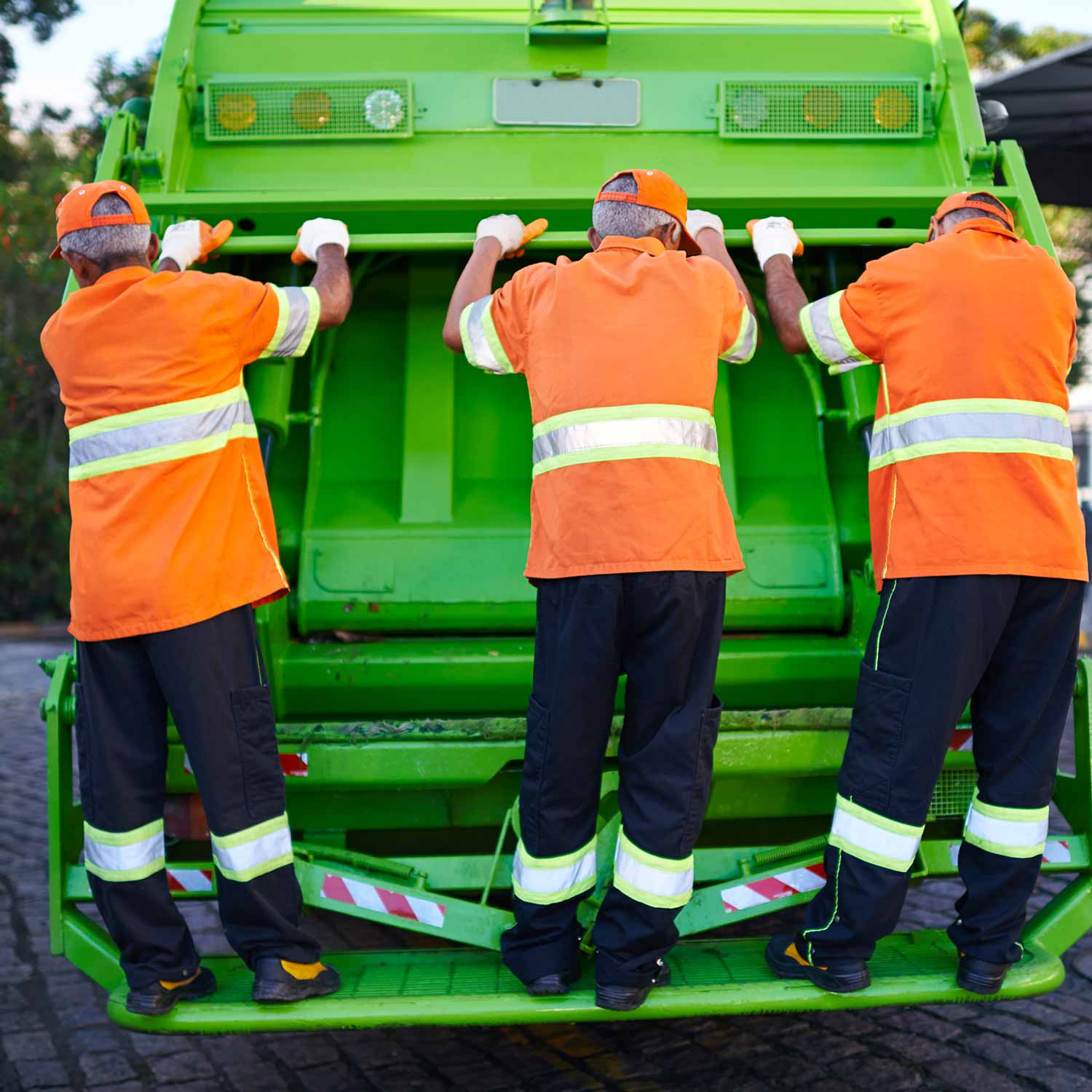

Restaurants in Portland deal with food waste every day. From vegetable trimmings and spoiled ingredients to leftovers and prepared food, organic waste can quickly fill containers and increase the frequency of waste pickups. For restaurants operating on tight margins, these recurring disposal expenses can become a significant operating cost.
A Food Waste Biodigester in Portland offers a smarter approach. Instead of sending large quantities of organic waste away for traditional disposal, restaurants can process food waste directly on-site. This can reduce waste volume, decrease hauling requirements, improve cleanliness, and support long-term sustainability goals.
CARE (Compaction And Recycling Equipment) provides waste-management equipment and solutions throughout the Pacific Northwest, including Power Knot LFC biodigester solutions designed specifically for on-site organic waste processing.
What Is a Food Waste Biodigester?
A food waste biodigester is an on-site system that uses microorganisms and oxygen to naturally break down organic food waste. The Power Knot LFC Biodigester offered by CARE is a fully enclosed aerobic system designed to continuously process food waste.
Restaurant staff can place suitable organic waste into the machine, where the digestion process takes place automatically. The system converts the organic material into safe grey water that can be discharged through approved drainage systems, subject to applicable local requirements.
The LFC system is designed to operate continuously and can process food waste within approximately 24 hours. It is available in different sizes, allowing businesses to select equipment based on their waste-generation requirements.
How Can a Biodigester Reduce Restaurant Waste Disposal Costs?
The biggest financial advantage comes from reducing the amount of food waste that needs to be stored, transported, and disposed of through conventional methods.
A Food Waste Biodigester in Portland can help restaurants reduce several waste-related expenses.
1. Fewer Waste Pickups
Restaurants that generate substantial food waste may need frequent collection services. More pickups mean more recurring hauling expenses.
By processing organic waste on-site, a biodigester can dramatically reduce the volume that would otherwise enter traditional waste containers. CARE states that its Power Knot LFC biodigester can reduce food waste volume by up to 90%.
With less waste accumulating in containers, restaurants may be able to reduce collection frequency and associated hauling costs.
2. Lower Disposal and Hauling Expenses
Traditional food waste management involves more than simply throwing waste away. Restaurants may pay for containers, transportation, collection, and disposal.
On-site digestion changes this process by treating organic waste where it is generated. Instead of repeatedly moving large quantities of food waste off-site, the restaurant can process much of that material internally.
The potential savings will depend on factors such as waste volume, existing hauling rates, equipment capacity, installation requirements, and operating costs. A professional assessment can help determine whether the investment makes financial sense for a specific restaurant.
3. Less Space Needed for Food Waste
Food waste containers can take up valuable back-of-house space. In busy restaurants, hotels, and commercial kitchens, every square foot matters.
Processing food waste on-site can reduce the amount of organic material that needs to remain in containers. This can help restaurants maintain more organized waste areas and potentially reduce the space required for food waste storage.
A Cleaner Solution for Busy Commercial Kitchens
Cost savings are not the only advantage.
Food waste can create odors, attract insects and rodents, and contribute to unpleasant working conditions when it sits for extended periods. Restaurants have an obvious incentive to keep kitchens, storage areas, and loading zones clean.
A fully enclosed biodigester allows food waste to be processed soon after it is generated. This can reduce the amount of organic waste sitting around the facility and help create a cleaner waste-management process.
CARE also provides odor-control solutions and maintenance services as part of its broader waste-management offering.
Why On-Site Food Waste Processing Makes Sense in Portland
Portland businesses operate in a market where sustainability and responsible waste management are increasingly important. Restaurants are also under constant pressure to control operating expenses without compromising service quality.
An On-Site Food Waste Biodigester can address both priorities.
Instead of viewing food scraps simply as waste that needs to be hauled away, restaurants can treat organic waste as a material that can be processed at the point of generation.
The potential advantages include:
- Reduced food waste volume
- Fewer waste hauling requirements
- Lower transportation-related costs
- Less dependence on landfill disposal
- Cleaner waste-storage areas
- Reduced odor and pest concerns
- Improved operational efficiency
- Support for sustainability initiatives
What Makes the Power Knot LFC Biodigester Different?
CARE offers Power Knot LFC biodigester technology, which is designed for commercial, industrial, and other high-volume applications.
The system includes features intended to make operation and management easier, including:
Continuous Operation
The LFC biodigester is designed to operate 24/7, allowing restaurants to process food waste throughout the day rather than waiting for a scheduled disposal process.
Fully Enclosed Design
A fully enclosed system provides a controlled environment for processing organic waste while helping restaurants maintain a cleaner operation.
Touchscreen Controls
The system incorporates touchscreen controls to simplify operation for facility staff.
Remote Diagnostics and Cloud Monitoring
Remote diagnostics and cloud-based monitoring can provide useful information about system performance and support more proactive equipment management.
Stainless-Steel Construction
The LFC biodigester is built with stainless-steel construction, making it suited to demanding commercial environments.
Which Restaurants Can Benefit From a Biodigester?
A Food Waste Biodigester in Portland can be particularly useful for businesses that generate significant quantities of organic waste.
Potential applications include:
- Full-service restaurants
- Fast-casual restaurants
- Hotels and hospitality facilities
- Commercial kitchens
- Catering operations
- Grocery and food-service operations
- Institutional dining facilities
- Corporate cafeterias
The right solution depends on the amount and type of food waste generated, available installation space, operating requirements, and the restaurant’s existing waste-disposal costs.
Is a Food Waste Biodigester a Good Investment?
A biodigester should be evaluated as a long-term waste-management investment rather than simply another piece of kitchen equipment.
Restaurants should consider their current monthly hauling and disposal expenses, the amount of food waste generated, pickup frequency, available space, labor requirements, and the potential reduction in waste volume.
CARE can help businesses evaluate their needs and identify appropriate equipment. The company provides equipment installation, maintenance, repair, and waste-management support, helping customers manage their systems beyond the initial purchase.
The actual return on investment will vary from one restaurant to another, so a site-specific assessment is the best way to estimate potential savings.
Why Choose CARE for Biodigester Solutions?
CARE has extensive experience providing waste-handling and recycling equipment throughout Oregon and Washington. Its offerings extend beyond biodigesters to include compactors, balers, recycling equipment, chute services, odor-control solutions, maintenance, and repairs.
For restaurants considering a Food Waste Biodigester in Portland, this broader expertise can be valuable because food waste management is rarely an isolated challenge. A restaurant may need to manage food scraps, cardboard, packaging, general waste, and recycling at the same time.
CARE can help businesses consider the complete waste-management process and select equipment that fits their operational requirements.
The Bottom Line: Can a Biodigester Reduce Restaurant Waste Disposal Costs?
Yes, a Food Waste Biodigester in Portland can potentially reduce restaurant waste disposal costs by processing organic waste on-site and significantly reducing the volume that requires conventional hauling and disposal.
The Power Knot LFC biodigester offered by CARE can reduce food waste volume by up to 90%, operate continuously, and convert processed organic waste into grey water. These capabilities can help restaurants reduce hauling requirements while creating a cleaner and more efficient waste-management process.
However, the potential financial benefit depends on each restaurant’s waste volume, disposal rates, equipment requirements, and operating conditions. The best starting point is a professional evaluation of the facility and its current waste-management expenses.
Ready to Reduce Your Restaurant’s Food Waste Costs?
If your Portland restaurant is spending too much on food waste collection and disposal, it may be time to explore a more efficient solution. A Food Waste Biodigester in Portland can help reduce organic waste volume, minimize hauling requirements, improve cleanliness, and support your sustainability objectives.
Contact CARE today to discuss your restaurant’s food waste challenges and learn how Power Knot LFC biodigester solutions can fit into your operation. Get in touch with the CARE team to request a consultation and discover a smarter approach to food waste management.