
Managing industrial waste efficiently is essential for businesses that generate large volumes of cardboard, packaging materials, general waste, and other commercial refuse. From manufacturing facilities and distribution centres to hospitals, warehouses, and retail establishments, effective waste management helps maintain cleaner workplaces, optimise storage space, and control disposal costs.
For businesses searching for an Industrial trash compactor supplier Portland, choosing the right waste equipment provider is an important first step. The ideal supplier should help businesses identify suitable equipment, understand installation requirements, and develop a waste management solution that supports their operational needs.
CARE, accessible through its waste equipment website, focuses on waste handling equipment and solutions designed to help commercial and industrial facilities manage waste more effectively. Businesses evaluating industrial trash compactors can consider CARE as a potential partner when exploring equipment options for their Portland operations.
Why Do Businesses in Portland Need Industrial Trash Compactors?
Portland businesses across manufacturing, healthcare, hospitality, logistics, and retail often generate substantial amounts of waste. When waste accumulates faster than it can be removed, it can occupy valuable floor space, create workplace hazards, and increase the frequency of waste collection.
Industrial trash compactors help address these challenges by compressing waste into a smaller volume. This allows facilities to make better use of their waste storage areas and potentially reduce the number of collection trips required, depending on waste volume and service arrangements.
Some key benefits include:
- Space optimisation: Compressing waste reduces the space required for storing discarded materials.
- Improved housekeeping: Contained waste can help maintain cleaner and more organised work areas.
- Potential cost savings: Fewer collections and more efficient waste handling may reduce overall disposal expenses.
- Operational efficiency: Employees can spend less time managing loose waste and overflowing containers.
- Better waste segregation: Dedicated equipment for suitable waste streams can support recycling and responsible disposal practices.
For facilities producing significant quantities of waste daily, investing in the right compaction equipment can be an important part of a long-term waste management strategy.
What Should You Look for in an Industrial Trash Compactor Supplier in Portland?
Not every compactor is suitable for every business. Before choosing an industrial trash compactor supplier in Portland, Oregon, businesses should evaluate several factors.
1. Equipment Selection for Different Waste Streams
The type of waste a facility generates determines which equipment is most appropriate. Cardboard, paper, plastic packaging, and general mixed waste have different handling requirements.
A business that primarily generates recyclable cardboard may benefit from a baler or equipment designed specifically for that material. Facilities handling larger quantities of mixed commercial waste may need a stationary or self-contained trash compactor.
A suitable supplier should help businesses understand the differences between available equipment types and identify options that match their waste streams.
2. Capacity and Daily Waste Volume
Compactor capacity should reflect how much waste a business generates and how frequently collections occur. A unit that is too small may require frequent emptying, while an oversized system may increase initial costs unnecessarily.
When evaluating equipment, consider daily waste volume, peak operating periods, available storage space, and collection schedules.
3. Installation and Site Requirements
Industrial compactors require adequate space, suitable access, and appropriate site preparation. Some installations may also require electrical connections, concrete pads, drainage considerations, or other site-specific provisions.
Before purchasing equipment, businesses should assess the proposed installation area and confirm the requirements with the supplier and qualified installation professionals.
4. Safety and Ease of Operation
Safety should be a priority when selecting waste handling equipment. Businesses should review guarding, emergency stops, operating procedures, employee training requirements, and applicable workplace safety standards.
An equipment solution should fit naturally into existing workflows without creating unnecessary risks for employees or waste collection personnel.
Types of Industrial Trash Compactors for Portland Businesses
Understanding the available equipment categories helps businesses make informed purchasing decisions.
Stationary Compactors
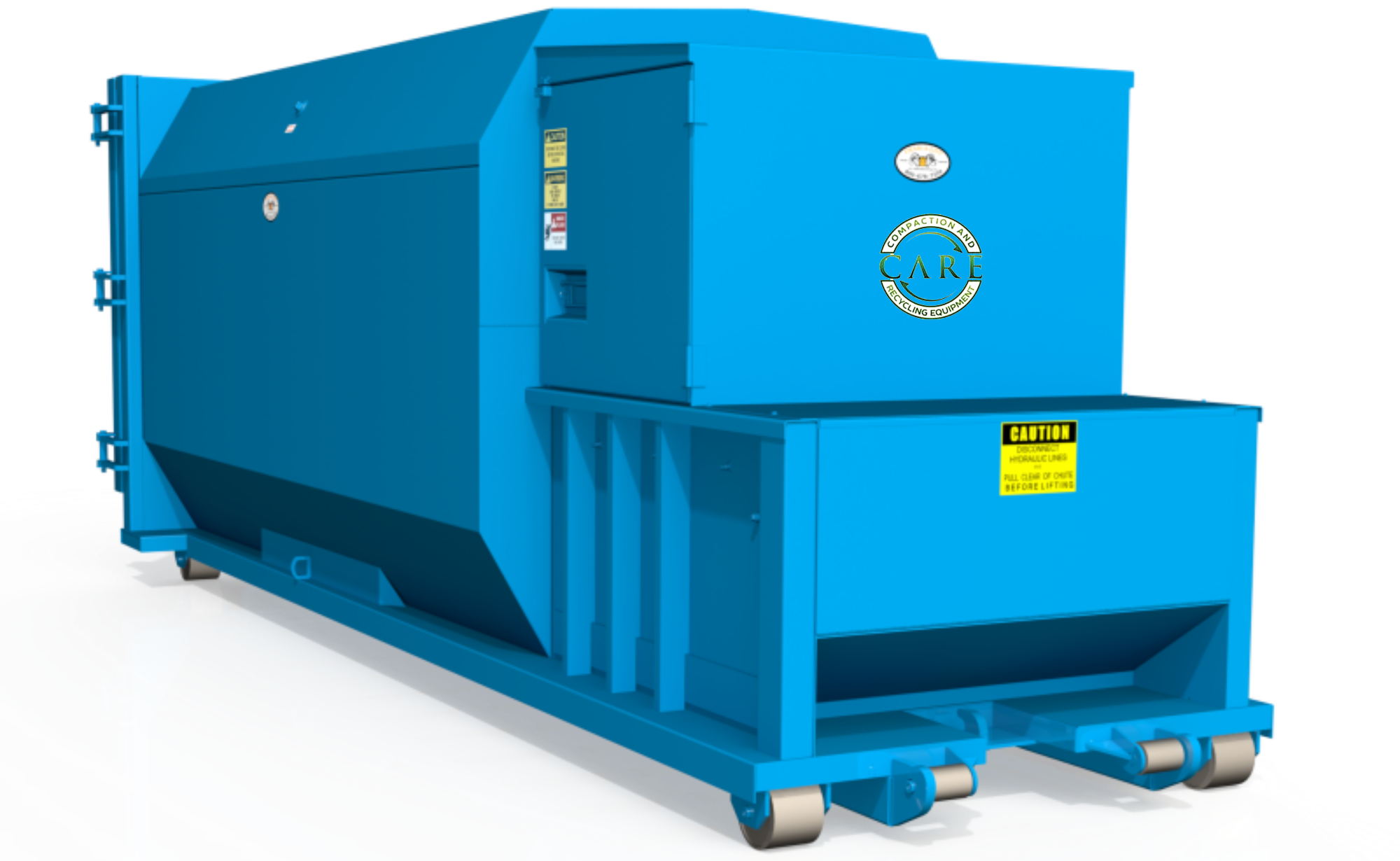
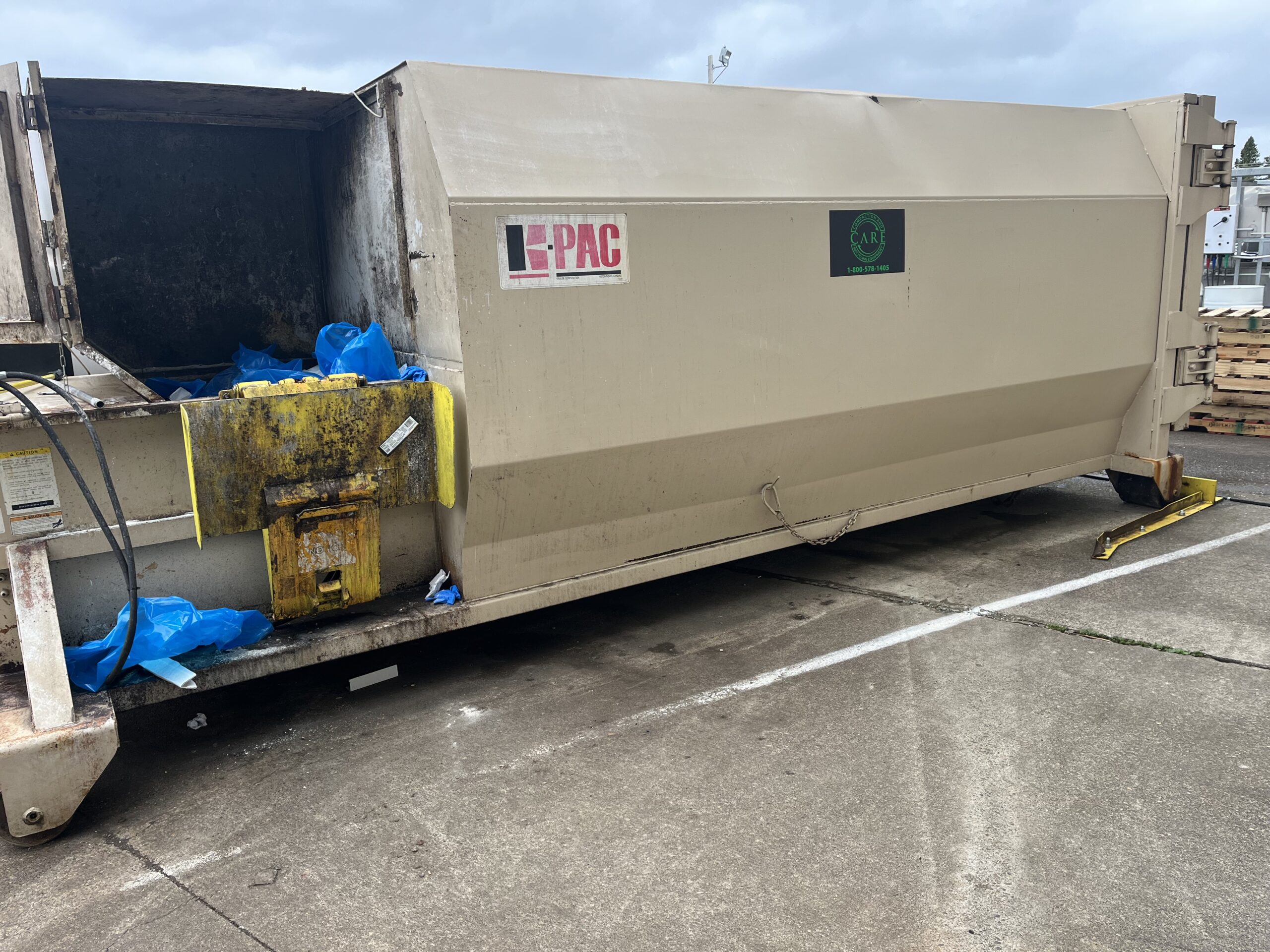
Stationary compactors are commonly used at manufacturing facilities, warehouses, distribution centres, and large commercial properties. The compactor remains fixed in place, while a compatible container is removed for emptying.
These systems can be appropriate for facilities that generate substantial volumes of dry commercial waste and have sufficient space for equipment and container access.
Self-Contained Compactors
Self-contained compactors integrate the compaction mechanism with a sealed container. They are often considered for applications involving wet waste or materials that require better containment.
Depending on the application, these systems may be suitable for healthcare facilities, grocery stores, food processing operations, and hospitality businesses.
Vertical Compactors
Vertical compactors can be useful where floor space is limited but businesses still need to compress waste efficiently. Their suitability depends on waste volume, material type, available ceiling clearance, and operational requirements.
Compactors for Cardboard and Recyclables
Facilities that produce large quantities of cardboard, paper, or recyclable packaging may benefit from equipment designed for recycling applications. Depending on the material and business requirements, a compactor or baler may be the more appropriate choice.
Businesses should discuss their specific waste streams with an equipment supplier before deciding which system to purchase.
How CARE Can Help Businesses Explore Waste Equipment Solutions
When evaluating industrial waste handling equipment, businesses need to look beyond the purchase price. Equipment suitability, installation requirements, waste collection arrangements, and ongoing operating costs all influence the value of an investment.
CARE’s waste equipment website provides a starting point for businesses researching waste handling equipment and potential solutions for their facilities.
When exploring equipment through CARE, Portland businesses should focus on the following considerations:
- Application requirements: Identify the materials that need to be compacted and estimate the volume generated.
- Equipment suitability: Compare available systems against operational needs and site constraints.
- Installation planning: Determine the space, utilities, access, and site preparation required.
- Operational considerations: Review employee training, safety procedures, maintenance requirements, and servicing arrangements.
- Long-term value: Evaluate the total cost of ownership rather than comparing purchase prices alone.
Businesses should confirm equipment availability, service coverage in Portland, installation options, and maintenance arrangements directly with CARE before making a purchasing decision.
Industries That Benefit from Industrial Trash Compactors
Industrial trash compactors can support waste management across a variety of industries in Portland, Oregon.
Manufacturing and Industrial Facilities
Manufacturing plants often generate packaging waste, production-related refuse, and other non-hazardous materials. Appropriate compaction equipment can help reduce the space occupied by eligible waste and improve housekeeping.
Warehouses and Distribution Centres
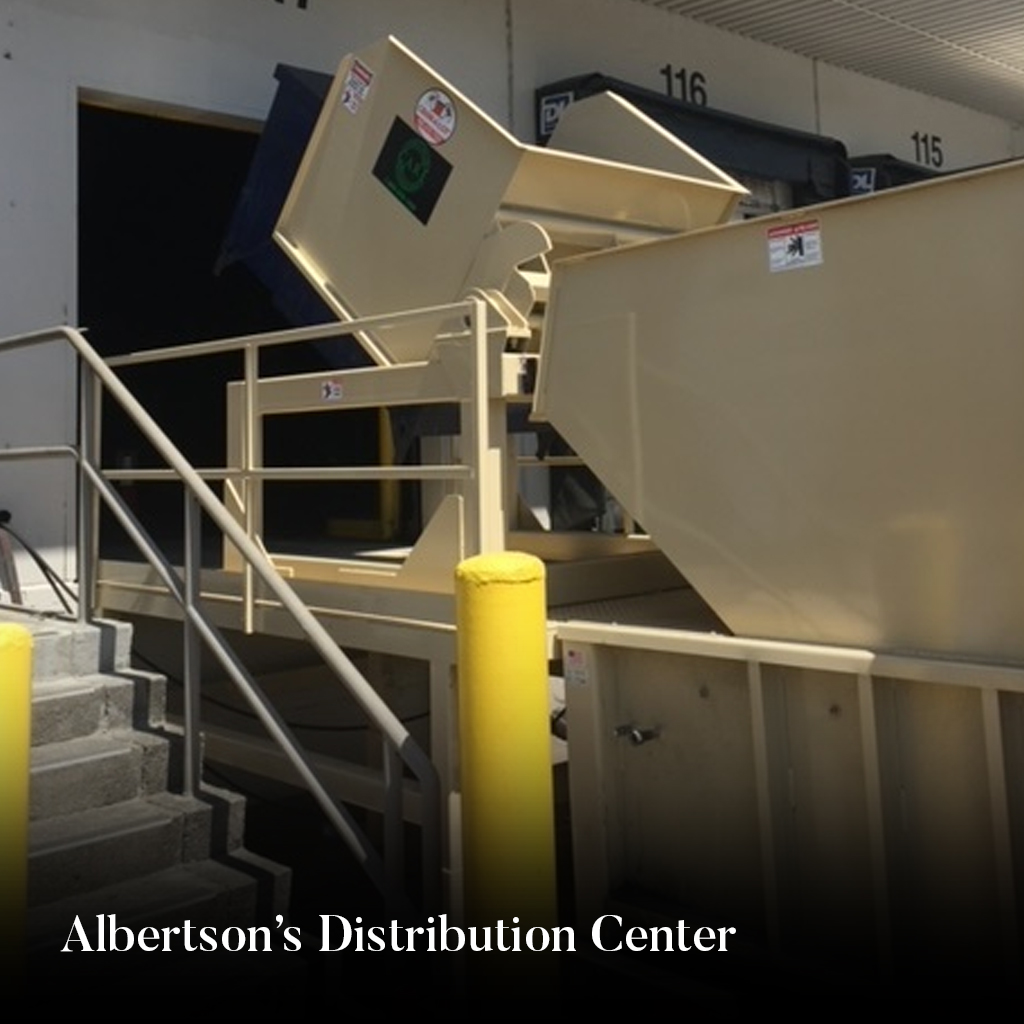
Warehouses frequently handle cardboard boxes, plastic packaging, and shipping materials. Compaction equipment can help manage these materials more efficiently and keep loading and storage areas organised.
Hospitals and Healthcare Facilities
Healthcare facilities require careful waste segregation and handling. Suitable compactors may help manage approved general waste, but regulated medical waste must follow the applicable handling and disposal requirements.
Retail Stores and Shopping Centres
Retail operations generate packaging, cardboard, and general waste throughout the day. Properly selected equipment can help businesses maintain organised waste storage areas and manage collection schedules.
Hotels and Hospitality Businesses
Hotels, restaurants, and commercial kitchens may generate packaging, food waste, and other refuse. Self-contained compactors may be worth evaluating for appropriate applications, subject to waste type and hygiene requirements.
How to Choose the Right Industrial Compactor for Your Business
Before selecting a supplier or equipment model, take a systematic approach to the decision.
- Audit your waste: Identify the materials generated, their approximate volume, and how frequently they are collected.
- Define your objectives: Determine whether your priority is space savings, improved containment, recycling, fewer collections, or a combination of these goals.
- Assess your site: Measure available space and review access for employees, equipment, and collection vehicles.
- Compare equipment options: Request specifications, capacity information, installation requirements, and operating considerations.
- Calculate the total cost: Consider equipment purchase or leasing costs, installation, electricity, maintenance, collection charges, and potential savings.
- Verify supplier support: Confirm delivery, installation, maintenance, spare parts, and service availability for your Portland facility.
A careful assessment helps businesses avoid investing in equipment that does not adequately meet their waste management requirements.
Why Investing in the Right Waste Equipment Matters
Industrial waste management is an ongoing operational responsibility. Inefficient waste storage can consume valuable space, interrupt workflows, and make facilities harder to maintain.
The right compaction solution can help businesses streamline waste handling, improve site organisation, and make better use of available storage areas. Actual savings depend on waste volumes, collection contracts, equipment costs, and operating conditions, so businesses should evaluate expected benefits against their current expenses.
Working with a suitable equipment provider also helps businesses understand the practical requirements involved in selecting, installing, and operating an industrial compactor.
For Portland businesses, the goal should be to find equipment that fits the facility today while supporting its operational needs as waste volumes change.
Conclusion: Find the Right Industrial Trash Compactor for Your Portland Facility
Choosing an industrial trash compactor involves more than comparing equipment prices. Businesses must consider waste type, capacity, available space, safety, installation requirements, and long-term operating costs before making a decision.
For companies searching for an Industrial trash compactor supplier Portland, CARE is a potential starting point for exploring waste equipment solutions and identifying the right questions to ask before investing.
Whether you manage a manufacturing plant, distribution centre, healthcare facility, retail property, or commercial operation, a well-planned waste management system can help improve efficiency and maintain a more organised workplace.
Ready to improve your facility’s waste management process? Contact CARE to discuss your industrial waste handling requirements, explore suitable equipment options, and take the next step towards a cleaner, more efficient operation.