
Hospitals generate large volumes of waste every day, from packaging materials and cardboard boxes to food waste and other non-hazardous materials. Managing this waste efficiently is essential for maintaining a clean healthcare environment, controlling operating expenses, and supporting sustainable facility management. For hospitals in Portland, rising waste collection costs and limited storage space can make waste management particularly challenging.
One practical solution is installing a commercial compactor. By reducing the volume of suitable waste, hospitals can improve waste storage, streamline collection schedules, and potentially lower waste transportation expenses. CARE provides waste equipment solutions designed to help businesses manage waste more efficiently, making commercial compactors an option worth considering for healthcare facilities.
For healthcare administrators searching for waste compactors for hospitals in Portland, understanding how these machines work and where they deliver value can help them make informed equipment decisions.
Why Is Waste Management a Challenge for Hospitals in Portland?
Hospitals operate continuously, generating waste across emergency departments, patient rooms, cafeterias, administrative offices, laboratories, and supply departments. Although waste volumes vary by facility, even smaller hospitals can face considerable daily disposal requirements.
Common challenges include:
- High waste collection and transportation expenses.
- Limited space for storing waste before collection.
- Overflowing waste containers in busy departments.
- Labour requirements for moving and handling waste.
- Operational disruptions caused by inefficient waste storage.
- Compliance requirements for healthcare waste segregation and disposal.
Managing these challenges requires more than simply increasing the number of waste containers. Hospitals need an organised waste management strategy that considers waste volume, material type, collection frequency, and disposal requirements.
How Can a Commercial Compactor Reduce Hospital Waste Disposal Costs?
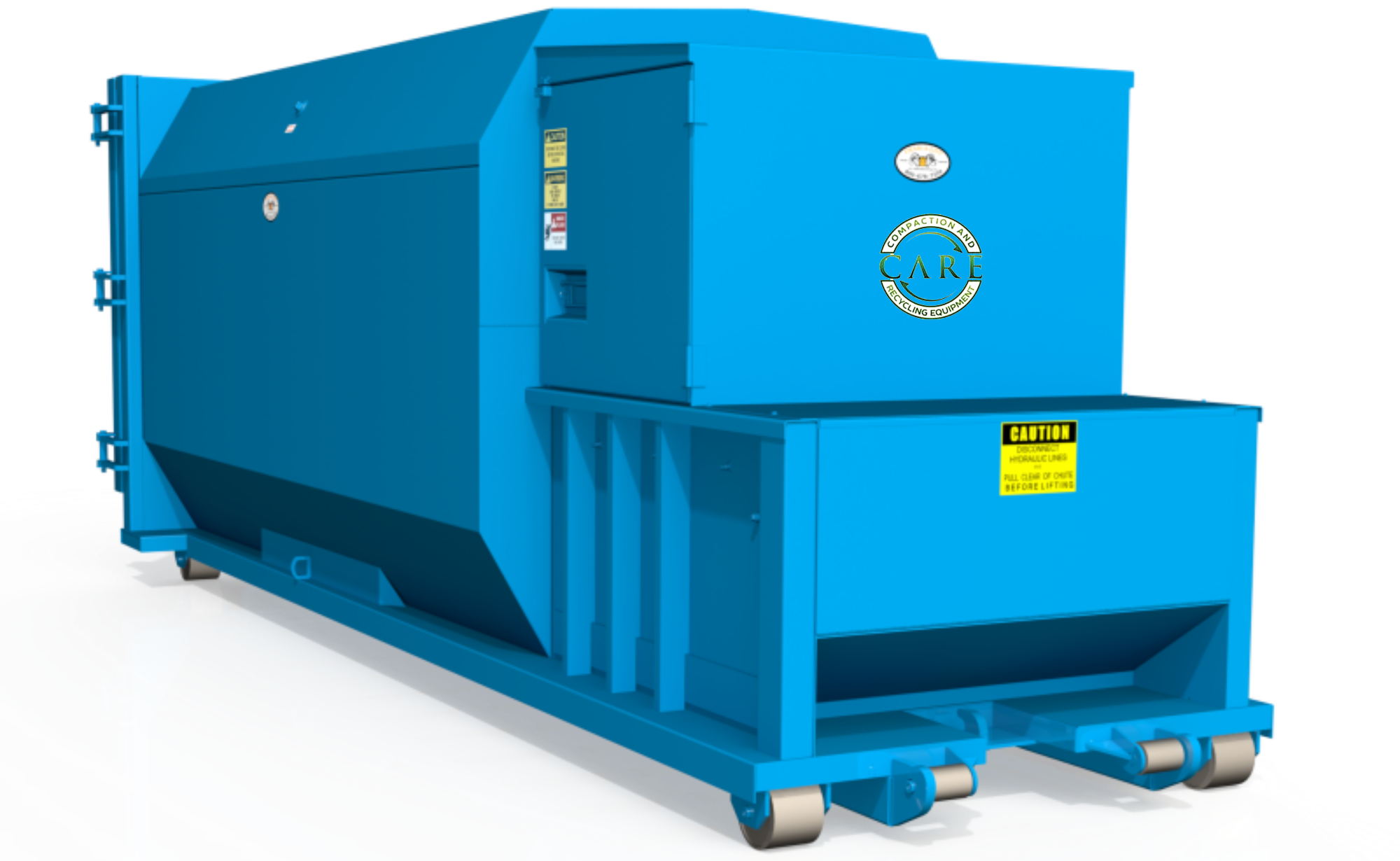
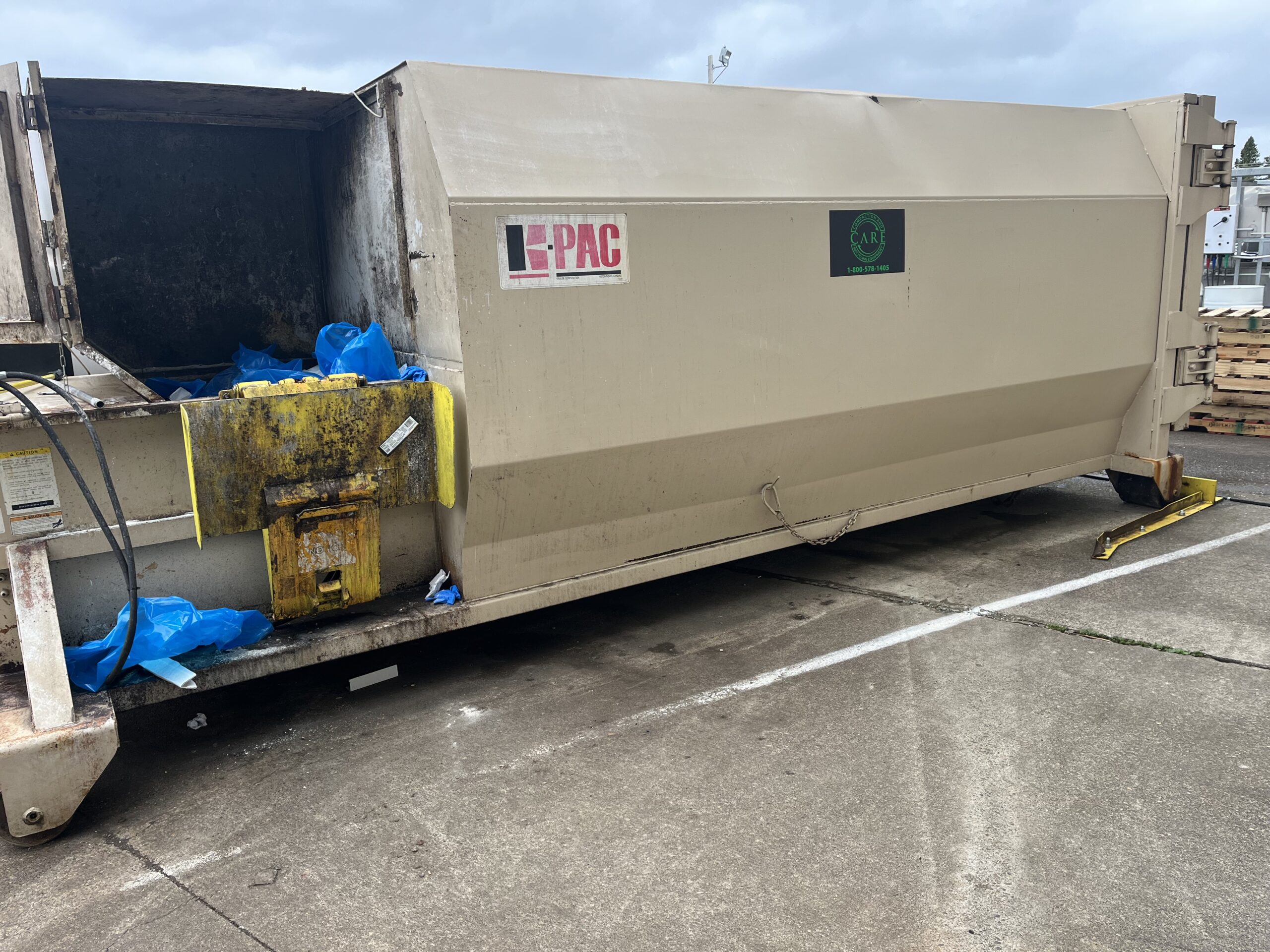
A commercial compactor compresses suitable waste materials into a smaller volume, allowing facilities to store more waste within a designated container. This can improve waste handling efficiency and reduce the frequency of collections, depending on the hospital’s waste generation patterns and service arrangements.
1. Reduce Waste Volume and Collection Frequency
One of the primary advantages of a commercial compactor is its ability to compress bulky waste materials.
Hospitals frequently receive medical supplies, equipment, food products, and other items in cardboard boxes and protective packaging. These materials can occupy considerable space when discarded without compression.
A compactor reduces the space required for suitable waste, allowing hospitals to accumulate more material before a collection is needed.
For facilities paying per collection or based on container requirements, fewer pickups may translate into measurable savings. Actual savings depend on the waste contract, equipment capacity, collection schedule, and the amount of material generated.
2. Optimise Waste Storage Space
Space is valuable in healthcare facilities, where every area must support safe and efficient operations. Waste containers that fill quickly can occupy loading areas, service corridors, or designated waste storage spaces.
Commercial compactors help reduce the volume of suitable waste, making storage areas easier to manage.
Hospitals can benefit from:
- Better organisation of waste holding areas.
- Reduced overflow from designated containers.
- More efficient use of available service space.
- Improved movement around loading and collection zones.
For Portland healthcare facilities operating in space-constrained buildings, a properly sized compactor can contribute to a more organised waste handling process.
3. Lower Labour and Handling Requirements
Moving waste manually between departments and external collection areas takes time and requires appropriate handling procedures. When containers fill rapidly, employees may need to make additional trips to transfer materials.
A well-planned compactor installation can centralise the handling of suitable waste streams and reduce the need to move bulky packaging repeatedly.
This may improve workflow efficiency and allow facility staff to focus on their primary responsibilities.
Hospitals should also ensure that employees receive appropriate training and follow equipment safety procedures. Compactors must be installed in suitable locations with clear access, appropriate safeguards, and defined operating responsibilities.
4. Improve Waste Collection Planning
Unpredictable waste accumulation can create operational difficulties, particularly in hospitals that operate around the clock.
A commercial compactor can make waste storage more predictable by increasing the amount of suitable material that can be held before collection.
Facility managers can use waste generation records, container fill levels, and collection histories to establish more efficient pickup schedules.
Rather than relying on frequent collections based on guesswork, hospitals can coordinate service schedules with actual waste volumes. This may help reduce unnecessary pickups while maintaining appropriate hygiene and storage conditions.
Which Types of Hospital Waste Can Be Compacted?
Selecting the right equipment begins with identifying the waste streams generated by the facility.
Non-Hazardous General Waste
General waste from offices, waiting areas, and other approved non-clinical areas may be suitable for compaction, subject to local regulations and the facility’s waste management procedures.
Cardboard and Packaging
Cardboard boxes, clean packaging, and other suitable materials are often good candidates for dedicated compaction or baling equipment. Hospitals with high supply volumes may benefit from separating recyclable packaging from general waste.
Cafeteria and Food-Service Waste
Some food-service waste may be suitable for specialised compaction systems, depending on the equipment design, material characteristics, sanitation requirements, and the facility’s disposal arrangements.
Hospitals should evaluate these materials separately rather than assuming that one machine can safely handle every waste stream.
Important: Infectious waste, sharps, pharmaceutical waste, pathological waste, and hazardous chemicals must not be placed in an ordinary commercial compactor unless a specifically designed and legally compliant system and procedure expressly permit the application. Waste segregation must remain a priority throughout the process.
Choosing the Right Commercial Compactor for a Hospital
Not every compactor is suitable for every healthcare facility. Before investing in equipment, hospitals should evaluate their waste generation patterns and operational requirements.
Assess Daily Waste Volume
Determine how much waste the hospital produces and identify the materials occupying the most storage space. This information helps establish the appropriate equipment capacity.
Consider Available Space
Measure the proposed installation area, including access routes, loading zones, vehicle clearance, and space required for safe maintenance.
Evaluate Equipment Design
Different compactors are designed for different materials and operating conditions. Hospitals should consider loading methods, container capacity, operating frequency, safety features, and compatibility with their waste collection arrangements.
Review Maintenance and Service Requirements
Regular inspection and maintenance help support safe, reliable operation. Before selecting a supplier, ask about maintenance schedules, replacement parts, technical assistance, and equipment servicing.
Calculate the Total Cost of Ownership
The purchase price is only one part of the investment. Hospitals should also account for installation, electricity, servicing, repairs, staff training, and any changes to waste collection contracts.
Comparing these expenses with potential reductions in collection costs provides a clearer picture of long-term value.
How CARE Can Help Hospitals Improve Waste Management
CARE offers waste equipment solutions for businesses seeking to improve waste handling and operational efficiency. Hospitals exploring commercial compaction equipment can use CARE as a starting point for evaluating equipment options that match their waste streams and facility requirements.
When considering waste compactors for hospitals in Portland, healthcare administrators should look for equipment that supports their specific operational needs rather than selecting a machine based on capacity alone.
A practical assessment should include waste volume, material compatibility, available installation space, collection arrangements, safety requirements, and ongoing service needs.
Working with an experienced waste equipment provider can help facility managers compare suitable solutions and identify the equipment configuration that best fits their requirements.
What Savings Can Hospitals Expect From a Commercial Compactor?
The financial benefits depend on the facility’s existing waste management arrangements. Hospitals that generate substantial volumes of compressible waste and pay for frequent collections may have greater opportunities to reduce disposal expenses.
For example, a hospital can compare its current monthly waste collection costs with projected expenses after compactor installation.
The assessment should consider:
- Current collection frequency and charges.
- Waste container rental or service fees.
- Equipment purchase or leasing costs.
- Installation and maintenance expenses.
- Potential labour savings.
- Changes in recycling and waste diversion rates.
Hospitals should use actual invoices and waste volume records when preparing this calculation. This helps establish a realistic payback period without relying on unsupported savings estimates.
Conclusion
Reducing waste disposal costs requires hospitals to manage waste more strategically. Commercial compactors can help healthcare facilities compress suitable materials, improve storage efficiency, streamline collection schedules, and reduce certain waste handling expenses.
For hospitals evaluating waste compactors in Portland, the best solution will depend on waste composition, daily volume, available space, collection contracts, and healthcare waste regulations.
CARE can help facilities explore waste equipment options that align with their operational requirements. By assessing existing waste practices and comparing the total cost of ownership, hospital administrators can make more informed decisions about improving waste management efficiency.
Looking to reduce waste handling costs at your healthcare facility? Contact CARE today to discuss your requirements, explore commercial compactor solutions, and identify an equipment option that supports your hospital’s waste management goals.